
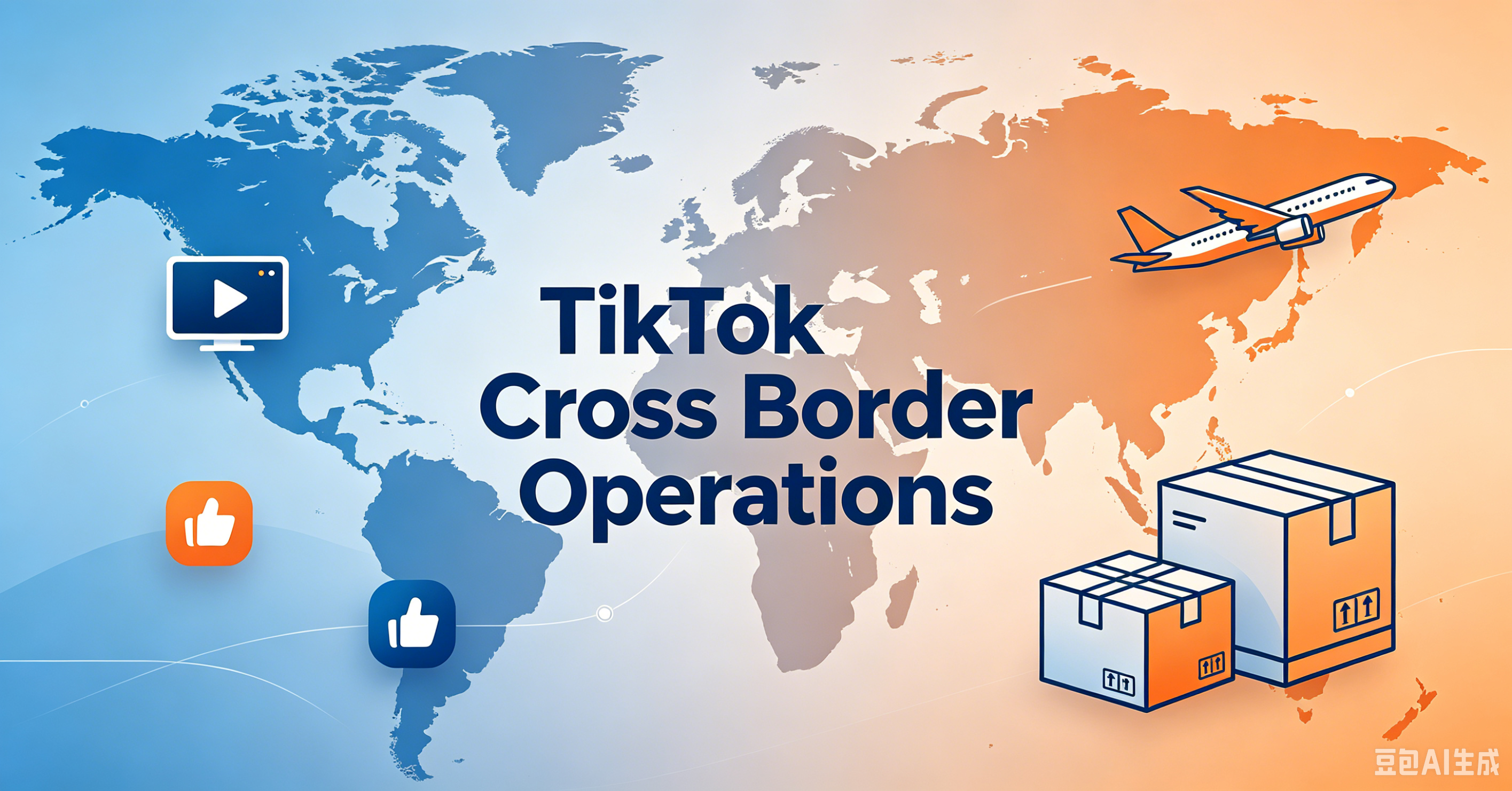
TikTok Cross-Border Operations: Expanding into Global Markets
TikTok Cross-Border Operations: Expanding into Global Markets
2026 marks a pivotal moment for businesses looking to expand globally through TikTok. With its massive international user base and sophisticated cross-border e-commerce infrastructure, TikTok has become the ultimate platform for brands seeking to tap into new markets worldwide. This comprehensive guide will walk you through everything you need to know about TikTok cross-border operations.
The Global Opportunity of TikTok
TikTok's global reach is unmatched in the social commerce space:
- 15+ Billion Monthly Active Users: Spanning across 150+ countries and regions
- High-Potential Markets: Southeast Asia, North America, Europe, Middle East, and beyond
- Young Demographics: 60% of users are under 30, representing the future consumer base
- Strong Purchasing Power: Users are highly engaged and ready to buy
Understanding TikTok Cross-Border E-Commerce
What is TikTok Cross-Border?
TikTok cross-border e-commerce allows businesses to sell products to consumers in other countries directly through the TikTok platform, with TikTok handling many of the complexities of international trade.
Key Components
- TikTok Shop Cross-Border: The official cross-border selling channel
- Global Shipping Solutions: Integrated logistics partnerships
- Multi-Currency Payments: Support for various payment methods worldwide
- Localized Content Tools: Translation, cultural adaptation features
Step 1: Market Research & Selection
Identifying Target Markets
Before expanding, conduct thorough market research to identify the best opportunities:
- Analyze TikTok user demographics by country
- Research product demand in potential markets
- Assess competition levels
- Evaluate regulatory requirements
Top Target Markets in 2026
- Southeast Asia: Indonesia, Vietnam, Thailand, Malaysia, Philippines
- North America: United States, Canada
- Europe: Germany, France, UK, Italy, Spain
- Middle East: UAE, Saudi Arabia
- Oceania: Australia
Step 2: Setting Up TikTok Shop Cross-Border
Account Registration
- Register a TikTok Shop seller account
- Choose cross-border selling mode
- Complete business verification
- Provide required documentation
Product Listing Requirements
- Localized product titles and descriptions
- Clear pricing in local currency
- High-quality images and videos
- Compliance with local regulations
Step 3: Localization Strategy
Content Localization
Successful cross-border operations require more than just translation:
- Cultural Adaptation: Understand local customs, preferences, and trends
- Language Localization: Professional translation, not just machine translation
- Content Format: Adapt content style to local tastes
- Influencer Partnerships: Collaborate with local creators
Price Localization
- Set competitive prices in local currency
- Account for taxes, duties, and shipping costs
- Offer promotions and discounts tailored to local holidays
Step 4: Logistics & Shipping
TikTok's Logistics Partners
TikTok has partnered with major logistics providers to simplify cross-border shipping:
- UPS
- DHL
- FedEx
- China Post
- Local couriers in target markets
Shipping Strategies
- Direct Shipping: Ship directly from your warehouse
- Local Warehousing: Use TikTok's fulfillment centers
- Dropshipping: Partner with suppliers who handle shipping
Step 5: Payment Solutions
Supported Payment Methods
- Credit Cards: Visa, Mastercard, American Express
- E-Wallets: PayPal, Alipay, WeChat Pay, local wallets
- Bank Transfers: Direct bank deposits
- COD: Cash on delivery (available in select markets)
Currency Management
- Set prices in local currencies
- Understand exchange rate fluctuations
- Plan for payment processing fees
Step 6: Marketing & Promotion
Content Marketing
- Create engaging product videos
- Participate in local trends and challenges
- Run TikTok ads targeting specific regions
- Collaborate with local influencers
Live Selling
Live streaming is particularly effective for cross-border sales:
- Host live sales events in target markets
- Use local hosts or interpreters
- Offer live-only discounts
- Showcase products in real-time
Step 7: Compliance & Risk Management
Legal Requirements
- Business registration in target countries
- Tax compliance (VAT/GST)
- Product safety standards
- Data privacy regulations (GDPR, CCPA)
Intellectual Property Protection
- Trademark registration
- Copyright protection
- Patent considerations
Case Studies: Successful Cross-Border Brands
- SHEIN: Mastered TikTok cross-border by creating localized content and leveraging influencers in every market
- PatPat: Successfully expanded from China to over 100 countries through strategic TikTok marketing
- Anker: Built global brand awareness through educational content and influencer partnerships
Tools to Streamline Cross-Border Operations
- TikTok Seller Center: Manage orders, inventory, and analytics
- Third-Party ERP Systems: Integrate with your existing systems
- Translation Services: Professional localization tools
- Analytics Platforms: Track performance across markets
Conclusion
TikTok cross-border e-commerce presents unprecedented opportunities for businesses to expand globally. By understanding the platform, localizing your approach, and leveraging TikTok's powerful tools, you can successfully tap into new markets and grow your business internationally.
Remember, success in cross-border operations requires patience, cultural sensitivity, and continuous learning. Start small, test different markets, and scale based on what works best for your business.
Related Articles
TikTok Advertising Guide: Reach Your Target Audience with Precision
A comprehensive guide to TikTok advertising in 2026. Learn how to create effective ad campaigns, target the right audience, optimize your ads for maximum ROI, and leverage TikTok's unique advertising features for business growth.
TikTok Shop Setup Guide: Complete Process and Latest 2026 Onboarding Guide & Operation Tips
A comprehensive guide to setting up a TikTok Shop in 2026. Learn the complete onboarding process, store types, product listing strategies, logistics setup, payment configuration, and essential operation tips for success.

TikTok Creator Monetization: New Ways to Earn Beyond Selling Products
Discover innovative TikTok creator monetization methods beyond traditional product selling. Learn about brand partnerships, knowledge sharing, affiliate marketing, and other creative ways to earn income on TikTok.